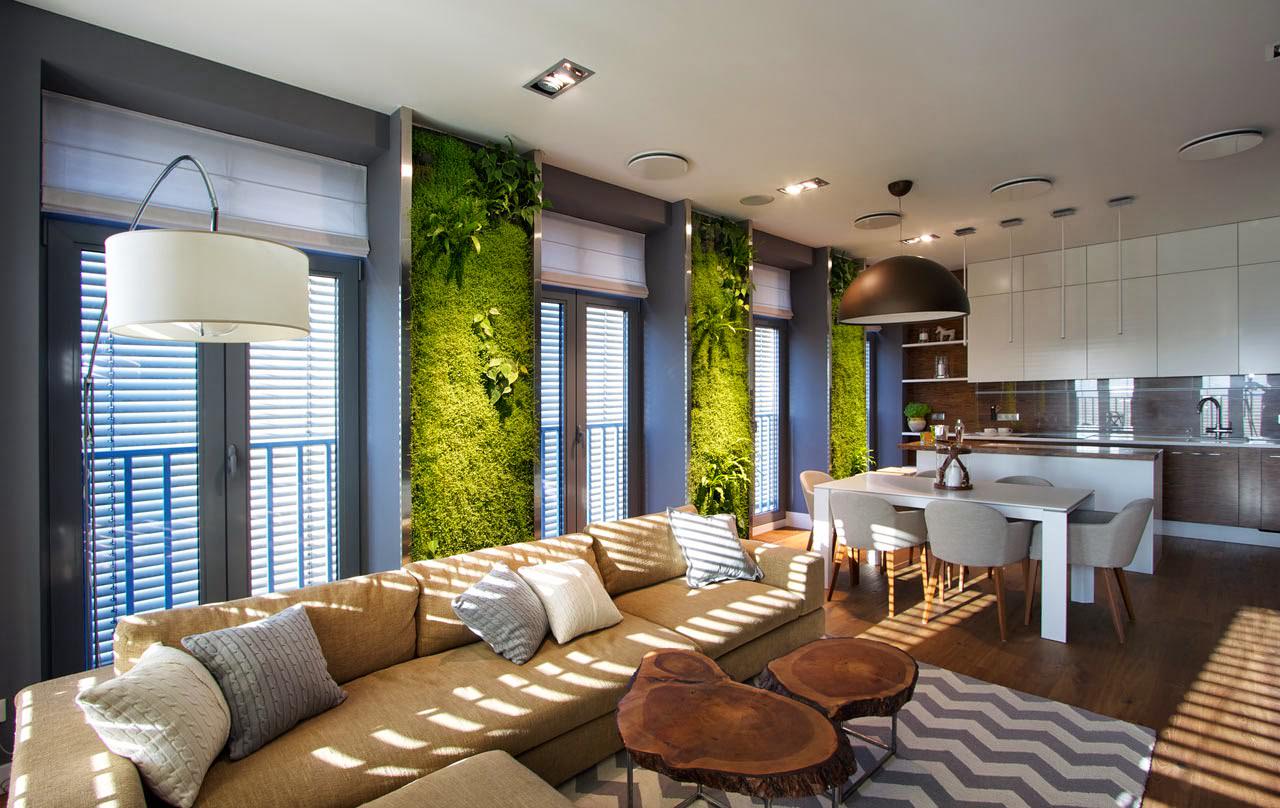

Combining the kitchen and living room is a popular design solution in both apartments and private homes. This space becomes the center for the family, where they gather for breakfast, socializing or hosting guests. Many clients, when contacting us, decide to combine the two rooms at the finishing stage. However, it is not as easy as it seems. The layout, load-bearing walls, location of plumbing and other factors must be considered. In this article, we will consider whether to combine the kitchen and living room at all, and how to do it correctly in terms of logic and interior design.
The importance of proper layout
When repairing an apartment or choosing a planning solution, you should pay attention to this even at the stage of buying a home. Sometimes the location of the plumbing makes combining spaces impossible. If you are looking for a new apartment, it is worth studying the layout of the room and find out the following details:
- The presence of load-bearing walls that cannot be removed. What to do if there is such a wall between the kitchen and the living room? In the best case, you can create a doorway, but in the worst case you will have to refuse to unite the spaces.
- Location of gas equipment. According to safety rules, you can not combine the kitchen with gas-powered equipment and the room for rest and sleep. The best solution in this case would be to install a glass or sliding partition.
- Kitchen location. In our previous article, we talked about when you can move your kitchen. In most cases, you will have to plan your kitchen based on its original location in the apartment plan. However, you can increase the kitchen area at the expense of the living room and hallway if there is no gas equipment.
A kitchen-living room, which is closer to the exit of the apartment, is a more convenient location for everyone. This is due to the fact that guests can immediately enter the meeting space, rather than the bedroom or children's room.
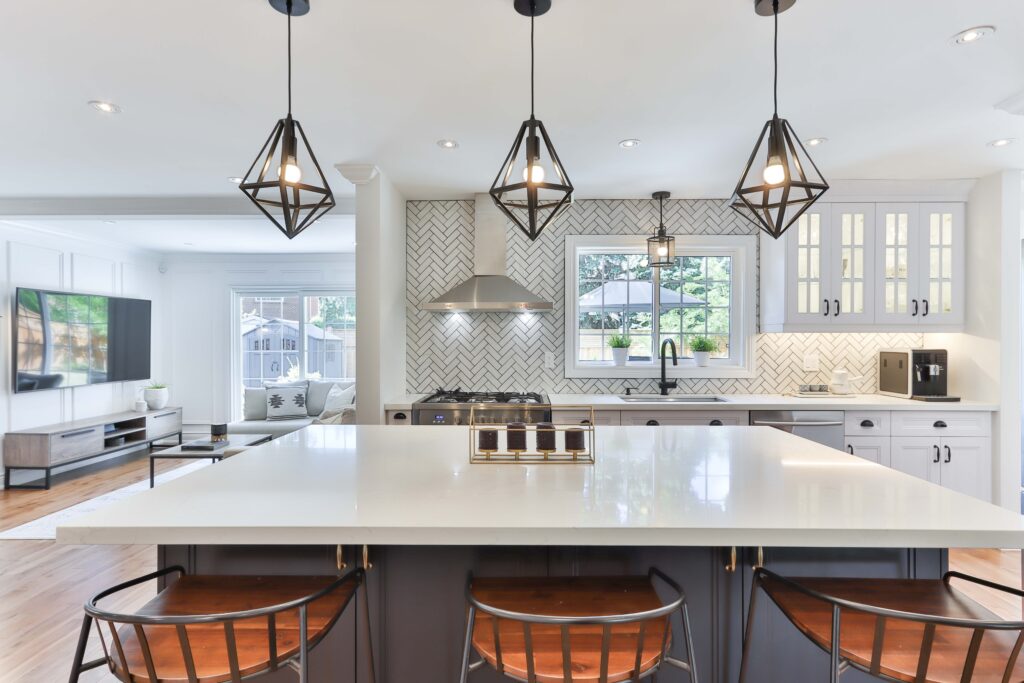
Separation of functional zones in the kitchen-living room
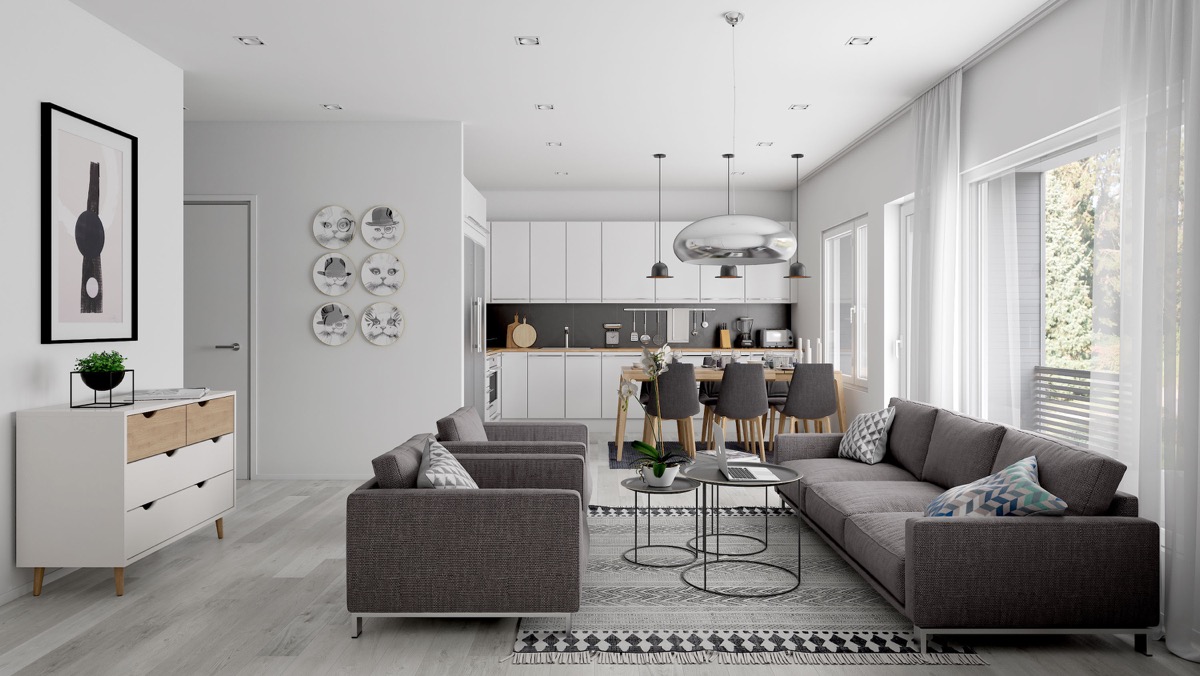
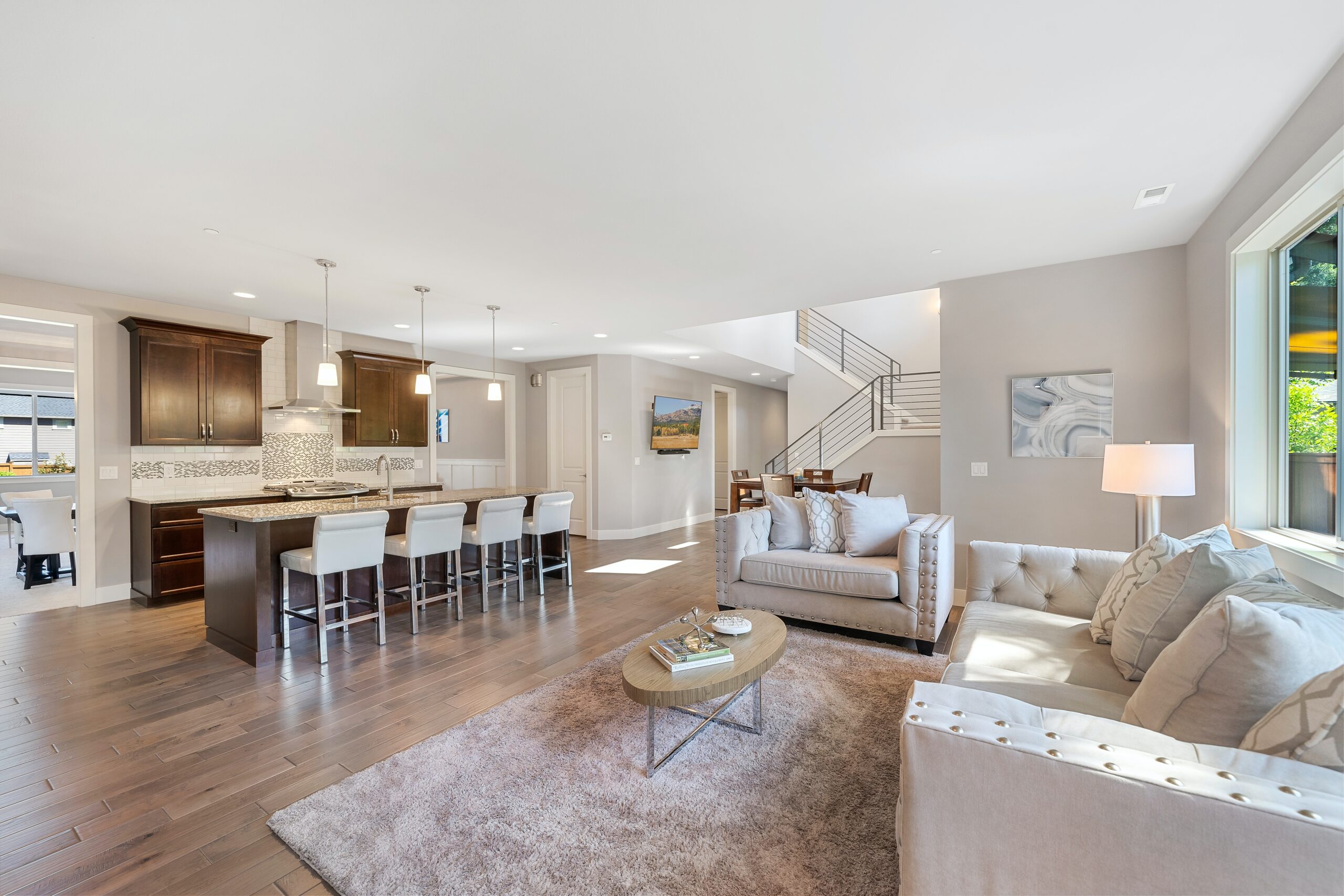
If all conditions are met and you are going to combine the kitchen and living room, the next step is zoning. Usually in a combined kitchen-living room there are several functional areas: a place for the kitchen set, refrigerator and stove, cooking area, dining area and sitting area with upholstered furniture.
Solving this issue on your own can be difficult, so it is better to seek help from an experienced designer, who will develop an individual project and make the room ergonomic and comfortable.
We have formulated some general tips that will help avoid mistakes when repairing the kitchen-living room:
- Use hard-wearing flooring. For the dining area, it is better to choose tiles - a practical and durable material that is not afraid of moisture or falling heavy objects (knives, dishes). In the recreational area suitable laminate, hardwood or vinyl flooring.
- Use different materials for the walls. Tile or paint would work for the kitchen, and plaster, wood paneling or wallpaper would work for the living room.
- Carefully consider the arrangement of furniture in the kitchen. First choose a place for the worktop, appliances, refrigerator and furniture. Perhaps a concept with a center island or breakfast bar will be appropriate, or maybe you prefer a classic linear arrangement of furniture.
- Choose a suitable location for the dining table. Not only is it important to determine a place for the table, but you should also consider the number of chairs and a comfortable aisle. Breakfast or dinner with the family will be more enjoyable if the dining area is located near a window.
- Install an efficient cooker hood. To avoid smells from the kitchen in the whole apartment, it is recommended not to save on the hood and install a modern, powerful model.
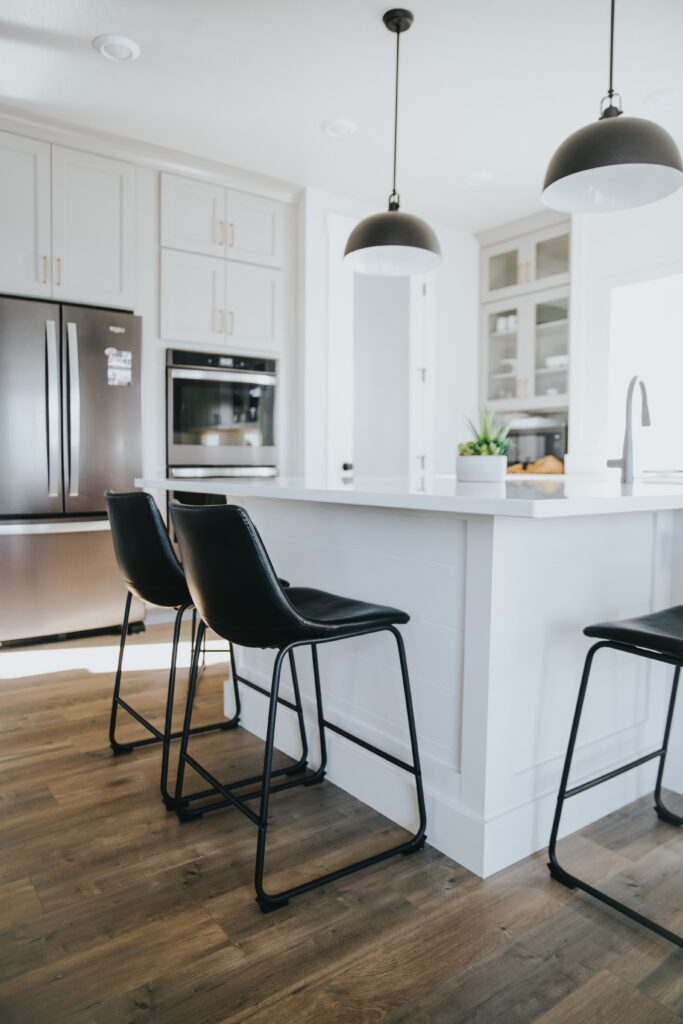
When arranging the interior design of the living room, there are no hard rules. The center of the recreation area can be a fireplace, TV or projector, around which comfortable upholstered furniture (modular set or sofa with armchairs), coffee table, lamps and other details are placed.