
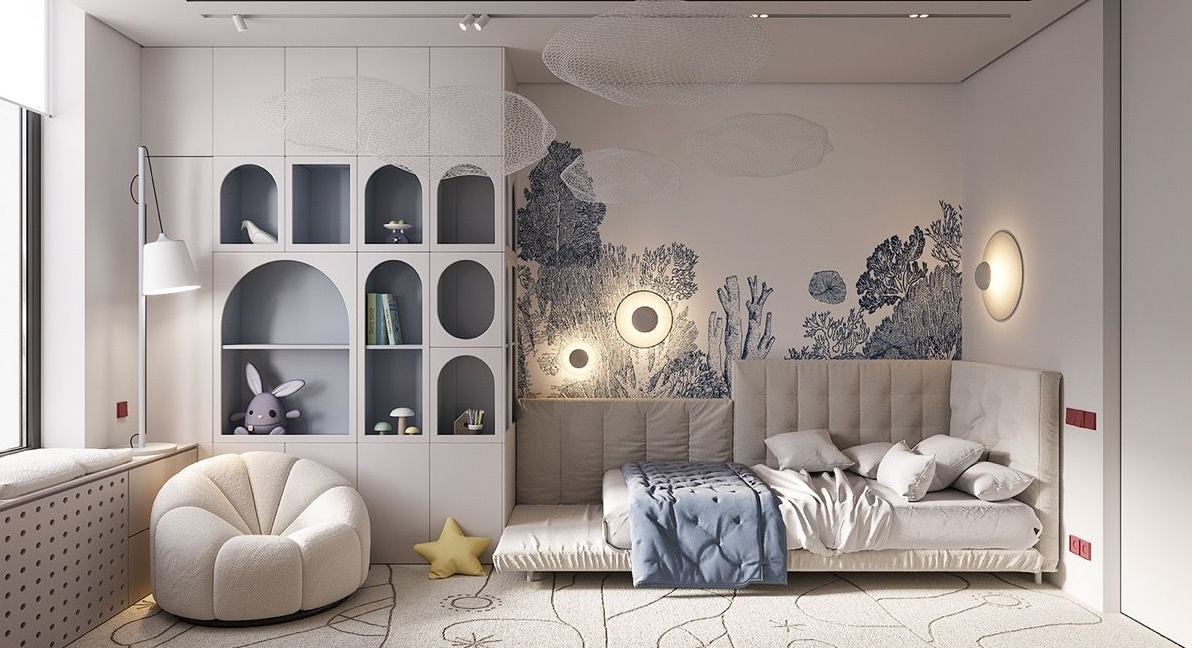
When it comes to planning the child's room design, there are a number of factors to consider in order to create a comfortable and safe environment for the child. The following aspects are worth paying attention to.
Consider the age of the child
Swaddling and feeding areas need to be considered in the case of an infant as well as safe and comfortable furniture. Older children should pay attention to their interests and preferences when choosing colours and designs.
Make sure the room is functional
A child's room should not only be a place for rest, but also for playing and learning. It is important to provide enough space for toys, books and lessons.
Ensure safety
Provide protection from sharp corners and dangerous objects in the child's room. Choose furniture which does not tend to tip over and make sure its fixtures and fittings are sturdy and secure.
Consider lighting and thermal conditions
Creating a cosy atmosphere in a child's room requires the right choice of lighting and maintaining a comfortable temperature. Light should be bright enough for games and lessons but not too bright for sleeping. Also consider thermal insulation and the possibility of installing a thermostat.
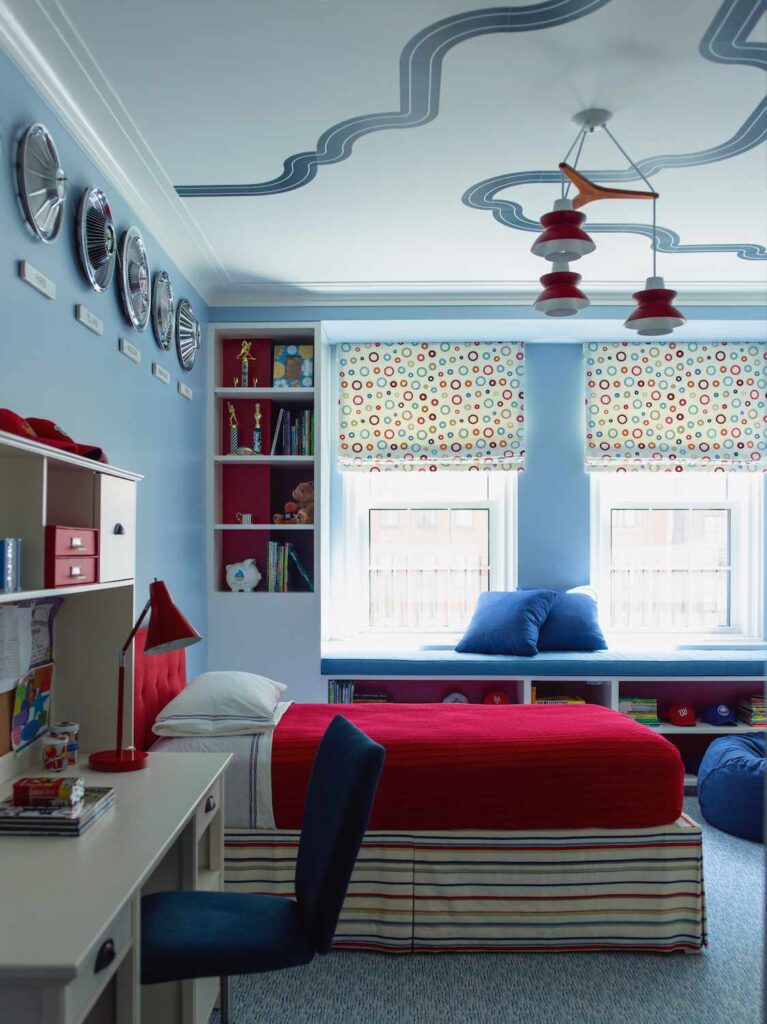
It is advisable to look at specific examples to determine the design of a child's room more accurately. For example, for infants, you could choose a comfortable cot changing table to save on the purchase of separate pieces of furniture. For older children, furniture with a bright colour scheme, which emphasises their personality and interests, is the right choice.
When choosing furniture, preference should be given to those with rounded edges, and shelves and cabinets should be secured to the wall for maximum safety. Windows should be fitted with special plugs to prevent children from opening them.
Warm and soft carpets as well as additional sources of heat such as heaters or air conditioners can be used to create a comfortable microclimate. As far as lighting is concerned, it is worth choosing soft light, such as table lamps, which will create a relaxing atmosphere for sleeping.
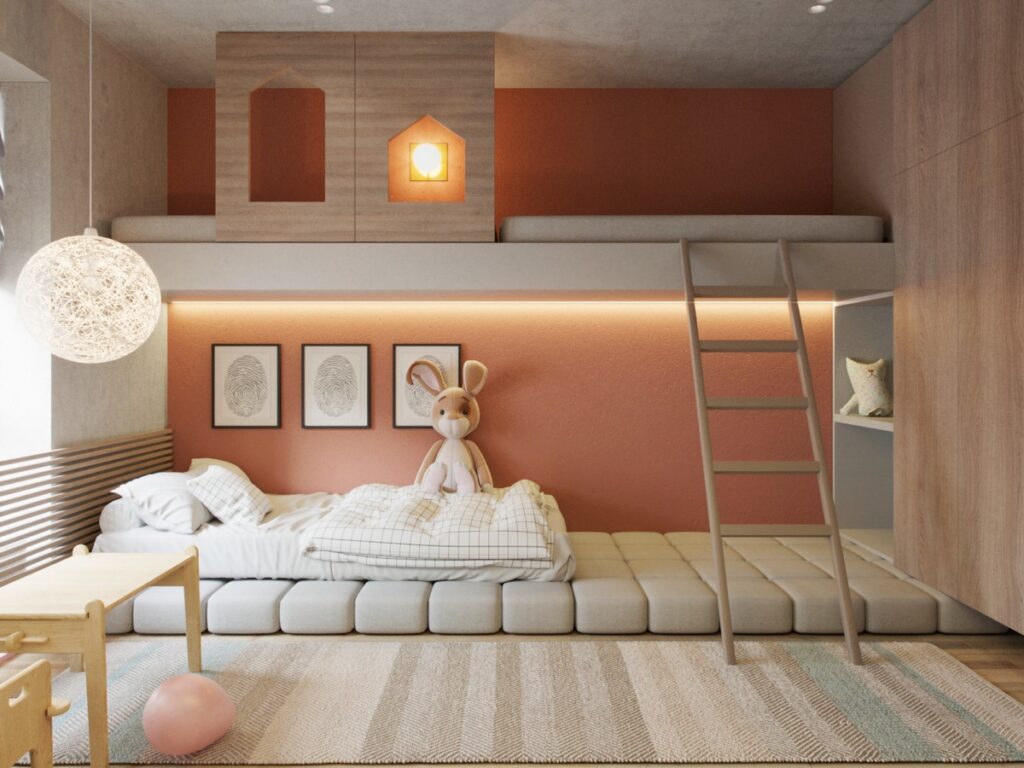
Don't forget that the design of a child's room should meet the growing needs of the child and change with them. Adding shelves for books and decor elements to emphasise your child's evolving interests may be one way to make a change. It is important to remember that a child's room design is not static and should evolve with the child.
As a result, planning the design of a child's room requires consideration of many aspects, from the age and needs of the child to the choice of furniture and decor. Following the basic principles and considering the interests of the child will create a cosy and safe space that is conducive to their development and comfort.